Filippo de Vivo (Oxford),
'Possible friends: Reconfiguring Knowledge about the Ottoman Empire in Sixteenth-Century Venice'
13 October 2026, 4:30pm
St Edmund Hall, Old Dining Hall
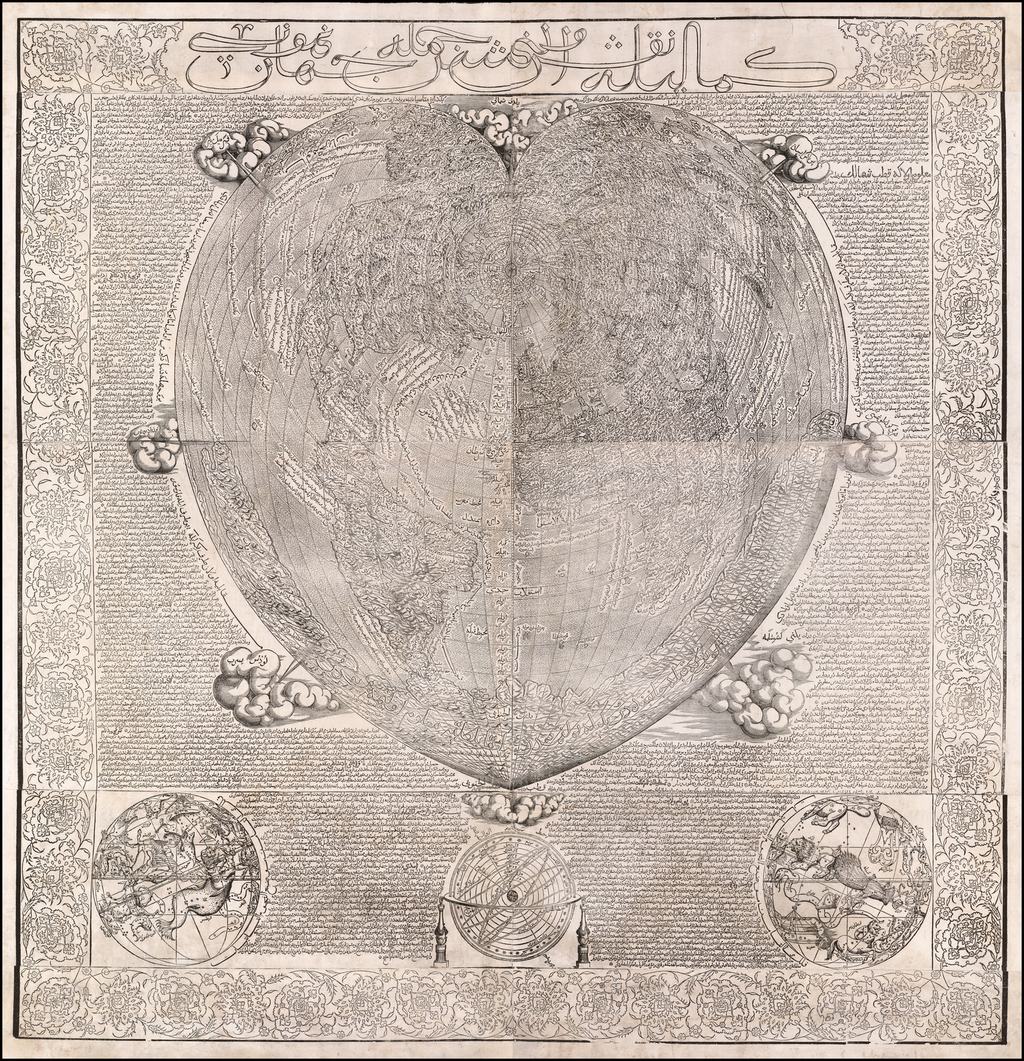
This paper examines changing attitudes to the Ottomans in early modern Venice not as fixed representations inspired by either hostility or distant curiosity, but rather through the knowledge practices which merchants, diplomats, authors, and publishers devised to gather, translate, organise, and circulate information about the Empire. Different attitudes coexisted in uneasy relations reflecting contrasting political and religious approaches. Moreover, knowledge practices arose from a connected history of engagement and exchange going in both directions as well as from concrete political cooperation. This became more pronounced as Venetians and Ottomans explored the possibilities of peace even and especially in times of war.
Filippo de Vivo is one of the convenors of the Early Modern Italian World Seminar and Professor of Early Modern History at Oxford. A specialist of Renaissance and early modern Italy, he has written about power and communication in Venice, from rhetoric in government councils to printed pamphlets, rumours and graffiti, on the history of Italian archives, and on the history of walking. His publications include Information and Communication in Venice: Rethinking Early Modern Politics (2007) and, most recently, a comparative study of Istanbul and Venice for The Routledge Handbook of Information History (2026). He is completing an edition of Thomas Hobbes’s translation of the letters of Fulgenzio Micanzio (1615-28) for the Clarendon complete works of Hobbes.